

When you start looking at how people find your store, it’s easy to get distracted by "Search Volume." That’s just a fancy way of saying how many thousands of people are typing a specific word into Google. You see a word like "Coffee" gets 100,000 searches and think, "If even a tiny fraction of those people click on my site, I’m set for life!"
The Reality Check: You probably won't get those clicks. Huge corporations, business and, in terms of retail, department stores are competing for those searches. The man power and budgets of those business makes competing for those words out of reach for small to medium sized business. But here is your secret weapon: Search Intent. While the giant brands are casting a massive net for a broad word like "Yoga Mats," they often struggle to feel "right" for the person searching for something highly specific. A big brand retailer might show them 500 random options, but you can show them the exact solution they need.
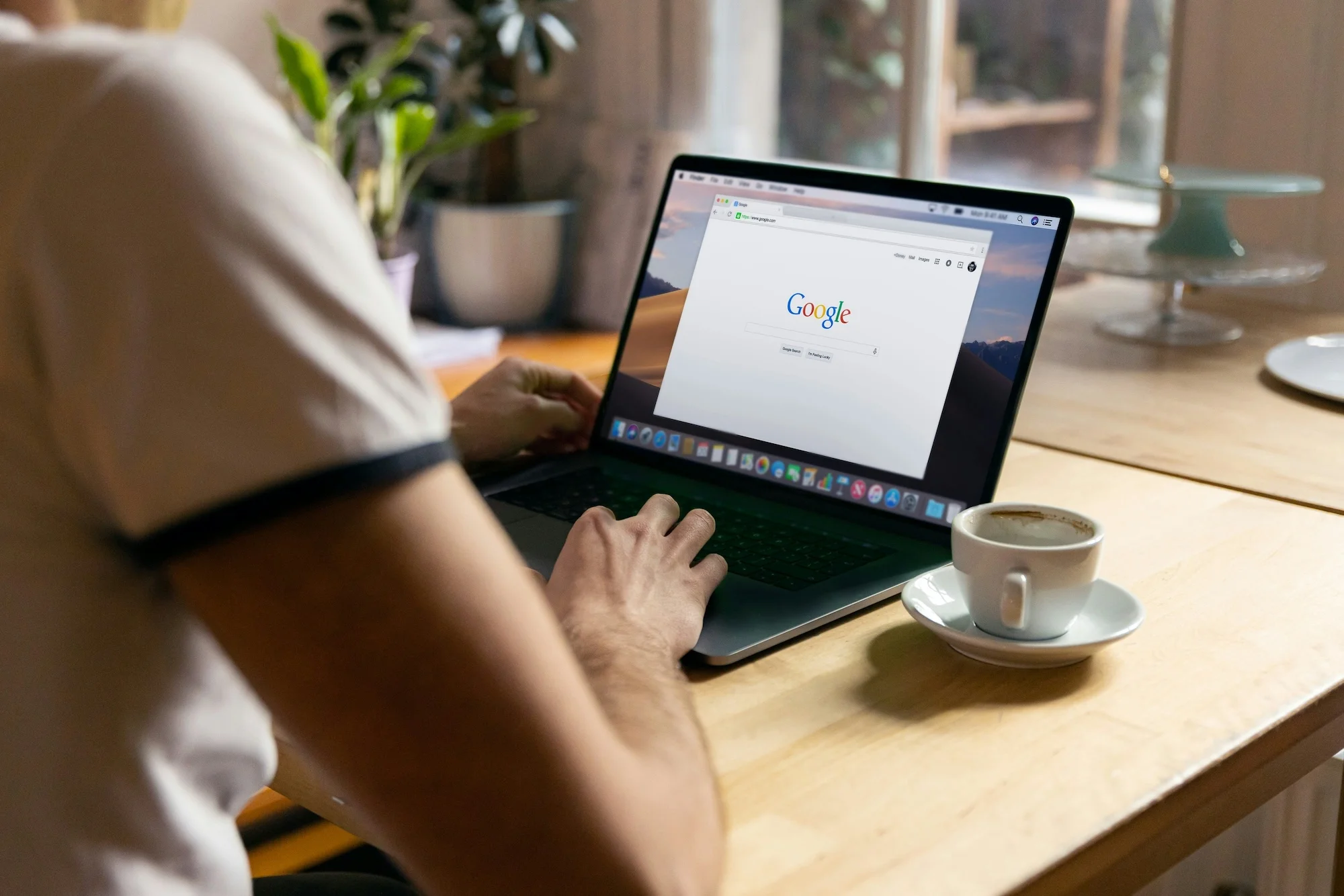
In simple terms, search intent is the "why" behind a Google search. When someone types a word into a search bar, they aren’t just looking for a website; they’re looking to solve a specific problem, learn a new skill, or buy a specific product. In 2026, search engines are smart enough to tell the difference between a window shopper looking for "running shoes" and a motivated buyer looking for "carbon-plate marathon road racing shoes." To win at SEO, you have to stop matching to single keywords and start matching to the full mindset. If your page provides exactly what the user was hoping to find when they clicked, you have successfully mastered your website search intent! Google will notice this too and this is when real organic traffic and higher positions can occur.
The AI Shift
This change to how users search has been put into overdrive this past year thanks to the explosion of AI-powered search. We’ve moved past the era of "caveman typing" where people just threw two or three keywords like "dog bed" into a search bar. Today, shoppers are treating search engines and AI platforms like personal assistants, typing in full, highly specific sentences like, "What’s the best orthapedic dog bed for an older Golden Retriever with hip problems?" - Now that AI can now understand the nuances of a complete sentences, the results provide tend to be accurate and exactly what the user was looking for. Optimising for these AI searches is the same as considering Search Intent.
So, how do you figure out which "sentences" to aim for? Start by looking at your product through the eyes of a picky customer. Instead of just focusing on what the product is, combine its best features to create a "searchable story." Think about the design (is it minimalist or vintage?), the production (is it handmade or eco-friendly?), the quality (is it heavy-duty or professional-grade?), and the price (is it a luxury investment or a budget-friendly starter?). Using a combination of these will help really focus your website content and gain valuable traffic.

Once you’ve found those specific phrases, you need to "feed" them to Google and the AI bots by updating your website content:
Make sure to check these off and your new strategy will be in place!
IMG_5432.jpg to organic-cotton-baby-blue-onesie.jpg.If you're feeling a bit overwhelmed by any of these actions or just need a hand to get things moving, I’d love to help with SEO or AI optimisation for your business. Feel free to reach out, and I’ll put together a free website audit and a solid proposal to help take your site to the next level. No strings attached, just some honest advice on how to get you winning.
Go well!


